Are Pumpkin, Butternut Squash & Sweet Potatoes Safe for Prediabetes? The Fall Glycemic Index Chart
Confused about autumn squash and sweet potatoes with prediabetes? Compare Glycemic Index vs. Glycemic Load for pumpkin puree, spaghetti squash, butternut, and boiled vs. baked sweet potatoes.
Glycemic Index (GI) vs. Glycemic Load (GL): Why Pumpkin Is Misunderstood
Many people with prediabetes avoid pumpkin and winter squash because they read that pumpkin has a high Glycemic Index (GI ~65–75). However, Glycemic Index only measures how fast 50 grams of pure carbohydrate hits the bloodstream—and because pumpkin is 92% water and rich in fiber, you would have to eat over 6 cups of pumpkin puree at once to consume 50g of carbs!
When measured by real-world Glycemic Load (GL = GI × Net Carbs ÷ 100), a generous 1/2-cup serving of 100% pure canned pumpkin has only 4.5g net carbs and a tiny Glycemic Load of 3—making it one of the safest, most beta-carotene-rich autumn foods you can eat.
| Autumn Harvest Food (1/2 Cup Cooked) | Total Carbs | Dietary Fiber | Net Carbs | Glycemic Index (GI) | Real-World Glycemic Load (GL) |
|---|---|---|---|---|---|
| Spaghetti Squash (Roasted Strands) | 5.5g | 1.2g | 4.3g | GI 25 | GL 1.1 ★ Ultra-Safe |
| 100% Pure Pumpkin Puree (Unsweetened) | 6.0g | 3.5g | 2.5g | GI 65 | GL 1.8 ★ Ultra-Safe |
| Kabocha / Delicata Winter Squash | 9.0g | 2.5g | 6.5g | GI 51 | GL 3.3 ★ Very Low |
| Butternut Squash (Roasted Cubes) | 11.0g | 3.2g | 7.8g | GI 51 | GL 4.0 ★ Low |
| Sweet Potato (Boiled / Steamed 20 min) | 13.5g | 2.5g | 11.0g | GI 44 | GL 4.8 ★ Low |
| Sweet Potato (Baked at 425°F for 60 min) | 20.5g | 3.0g | 17.5g | GI 82 | GL 14.3 ⚠️ Moderate-High |
- •Never Bake Sweet Potatoes for 60 Minutes: Long dry baking at 400°F+ activates beta-amylase enzymes that convert sweet potato starch into pure maltose sugar, doubling its GI from 44 (boiled) to 82 (baked)!
- •Check Canned Pumpkin Labels Carefully: Always buy '100% Pure Pumpkin' (1 ingredient)—never 'Pumpkin Pie Mix,' which is pre-loaded with 38g of cane sugar per cup.
- •Dress Squash with Olive Oil or Pecans: Pairing 1/2 cup roasted butternut squash with 1 tablespoon olive oil or toasted pecans slows starch digestion by 35%.
How to Cook Sweet Potatoes for the Lowest Blood Sugar Response
If you love sweet potatoes in October, peel and cube them into 3/4-inch pieces and either boil/steam them for 15 minutes or roast them quickly in an air fryer at 385°F for 14 minutes with the skin on, then dress with butter, cinnamon, and protein.
Even better, cook a batch on Sunday, chill them overnight at 38°F to form resistant starch, and reheat gently alongside grilled salmon or roasted chicken.
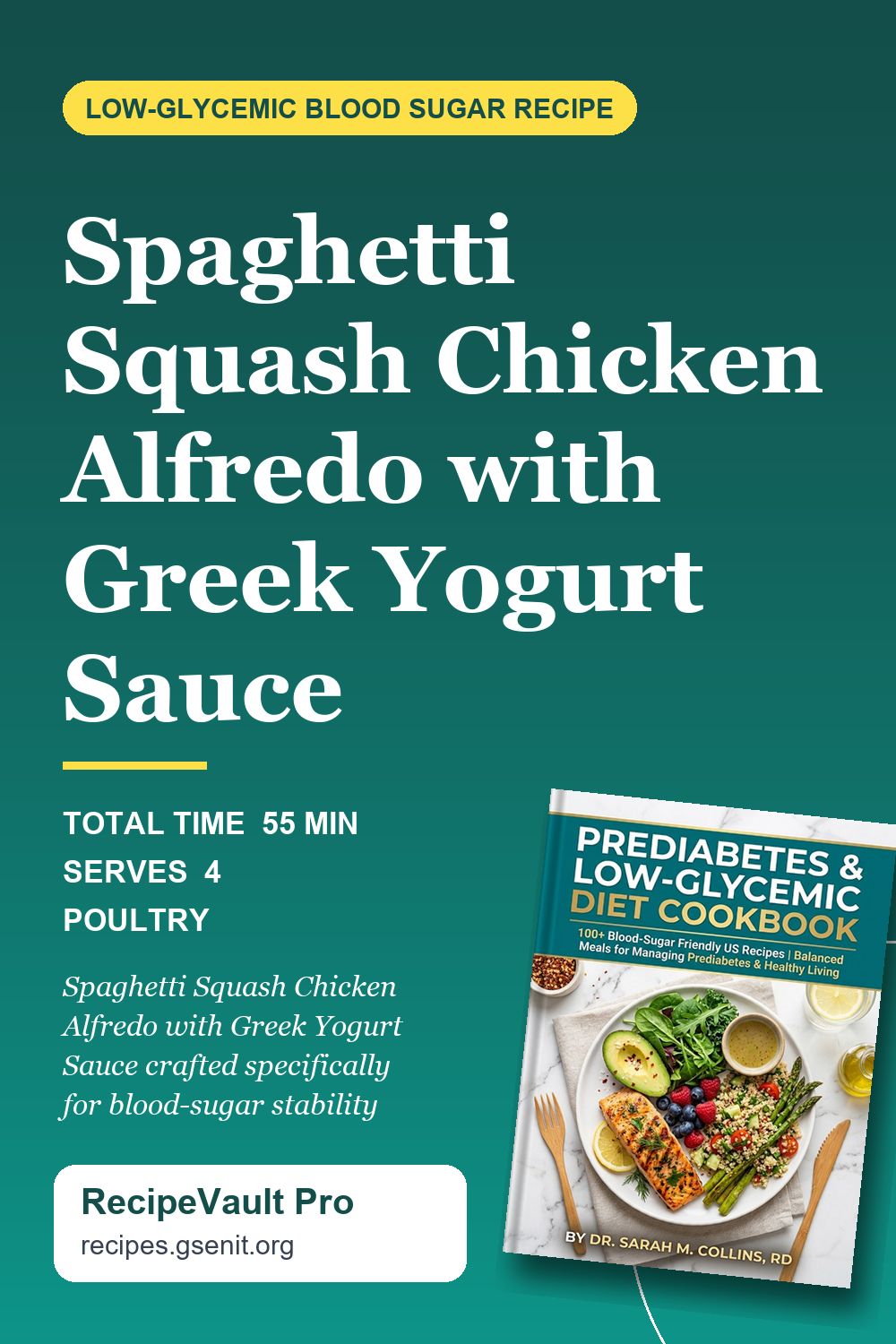
- •Spaghetti Squash Pasta Swap: Roast halved spaghetti squash face-down at 400°F for 35 minutes; fork-shredded strands replace 42g of wheat pasta carbs with just 4.3g net carbs.
- •Eat the Skin on Delicata & Sweet Potatoes: Nearly 50% of the insoluble fiber and chlorogenic acid in sweet potatoes resides right in the outer peel.
Tested tools and hardware to achieve the exact temperatures, sear, and results in this guide:
As an Amazon Associate we earn from qualifying purchases at no extra cost to you.
Frequently Asked Questions
Why does boiling a sweet potato give it a much lower glycemic index than baking it?
Boiling or steaming hydrates the starch granules rapidly and deactivates amylase enzymes before they can break complex starches down into high-GI maltose sugar.
Is canned pumpkin good for blood sugar and prediabetes?
Yes! Unsweetened 100% canned pumpkin has a Glycemic Load under 3 per half-cup, is packed with soluble pectin fiber, and contains polysaccharides studied for supporting insulin sensitivity.
Which winter squash has the lowest carbs?
Spaghetti squash (4.3g net carbs per 1/2 cup) and pumpkin (2.5g–4g net carbs per 1/2 cup) are the lowest-carb autumn squashes, followed closely by delicata and kabocha squash.
Can I eat acorn squash if I have prediabetes?
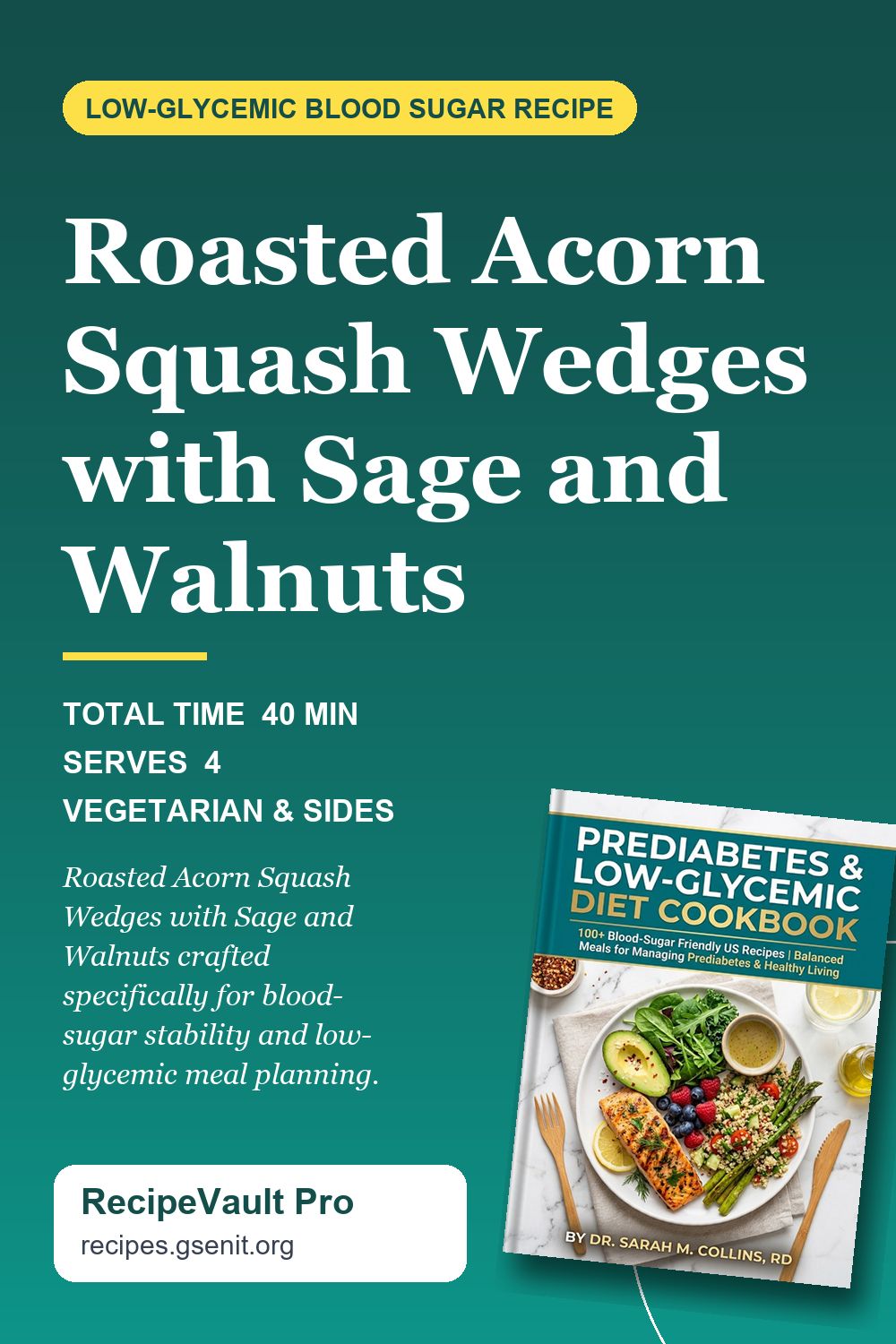
Yes, in a 1/2-cup portion (about 1/4 of a small acorn squash) paired with a high-protein main like roasted turkey or pork tenderloin, keeping the meal's total Glycemic Load below 10.
Recipe by Dr. Sarah M. Collins, RD
Adapted from Prediabetes & Low-Glycemic Diet Cookbook and edited for American kitchens by the RecipeVault Pro editorial team — US & metric measurements, USDA-safe doneness temperatures, and practical tips. Our editorial policy