Pit Boss Pellet Grill Cooking Times & Temperature Chart (°F) + Wood Pairing Guide
Printable US Pit Boss pellet grill cooking times chart (°F), internal doneness targets, per-pound cook times, P-setting tips, and hardwood pellet pairings for brisket, ribs, pulled pork, turkey, chicken, and salmon.
Why Internal Temperature Beats the Clock on a Pellet Grill
Every cut of meat has its own fat marbling, thickness, and moisture content. While per-pound time estimates help you plan when to start the smoker, a calibrated leave-in meat probe is the only reliable way to know when brisket, pork shoulder, or poultry is ready to pull.
For classic low-and-slow Pit Boss smoking, 225°F to 250°F is the sweet spot where hardwood pellets burn cleanly and produce thin blue smoke. Poultry skin and crisp wings benefit from finishing higher (300°F–375°F) so the skin renders instead of turning rubbery.
| Cut of Meat | Smoker Temp (°F) | Approx. Time | Target Internal Temp (°F) | Best Wood Pellets |
|---|---|---|---|---|
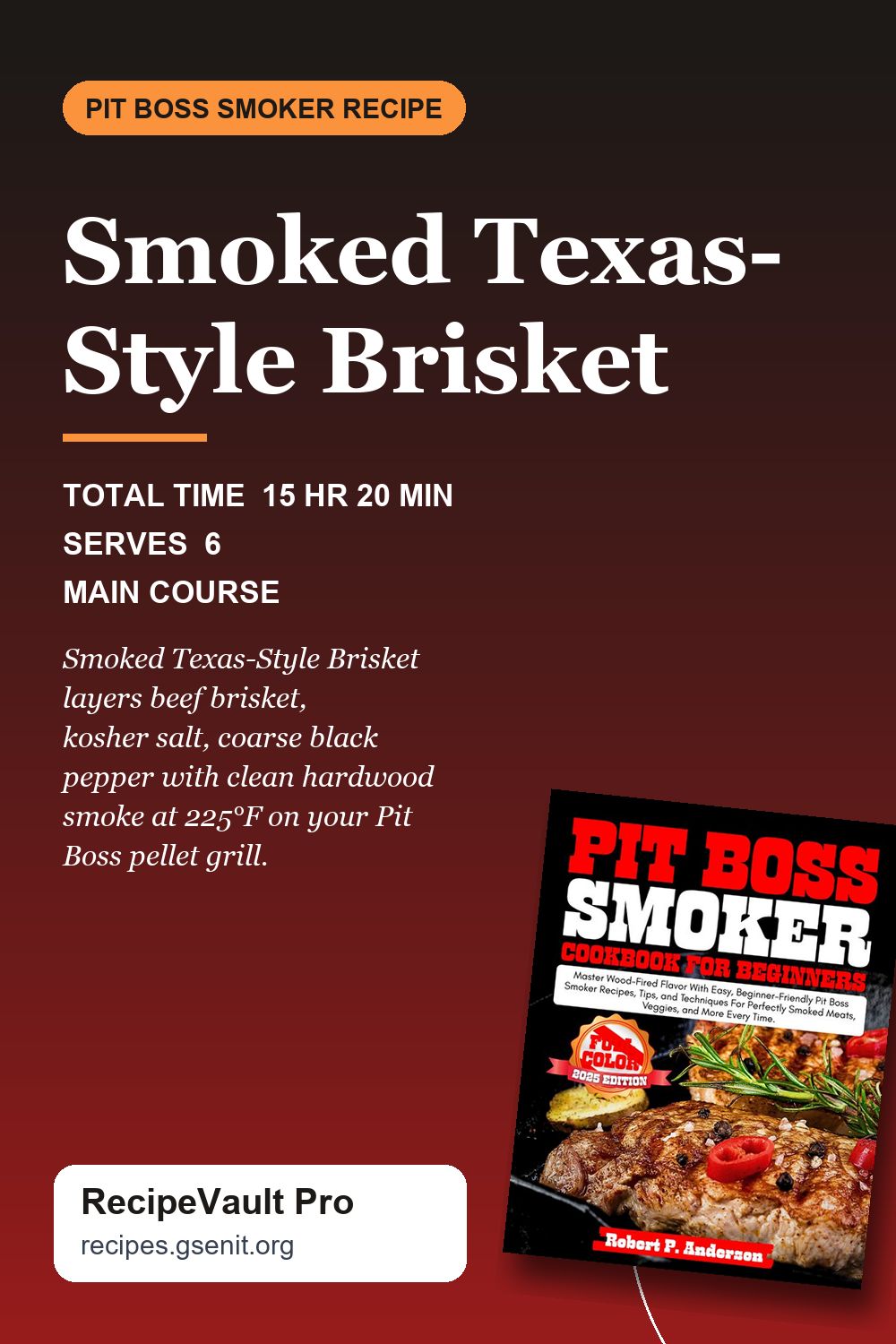
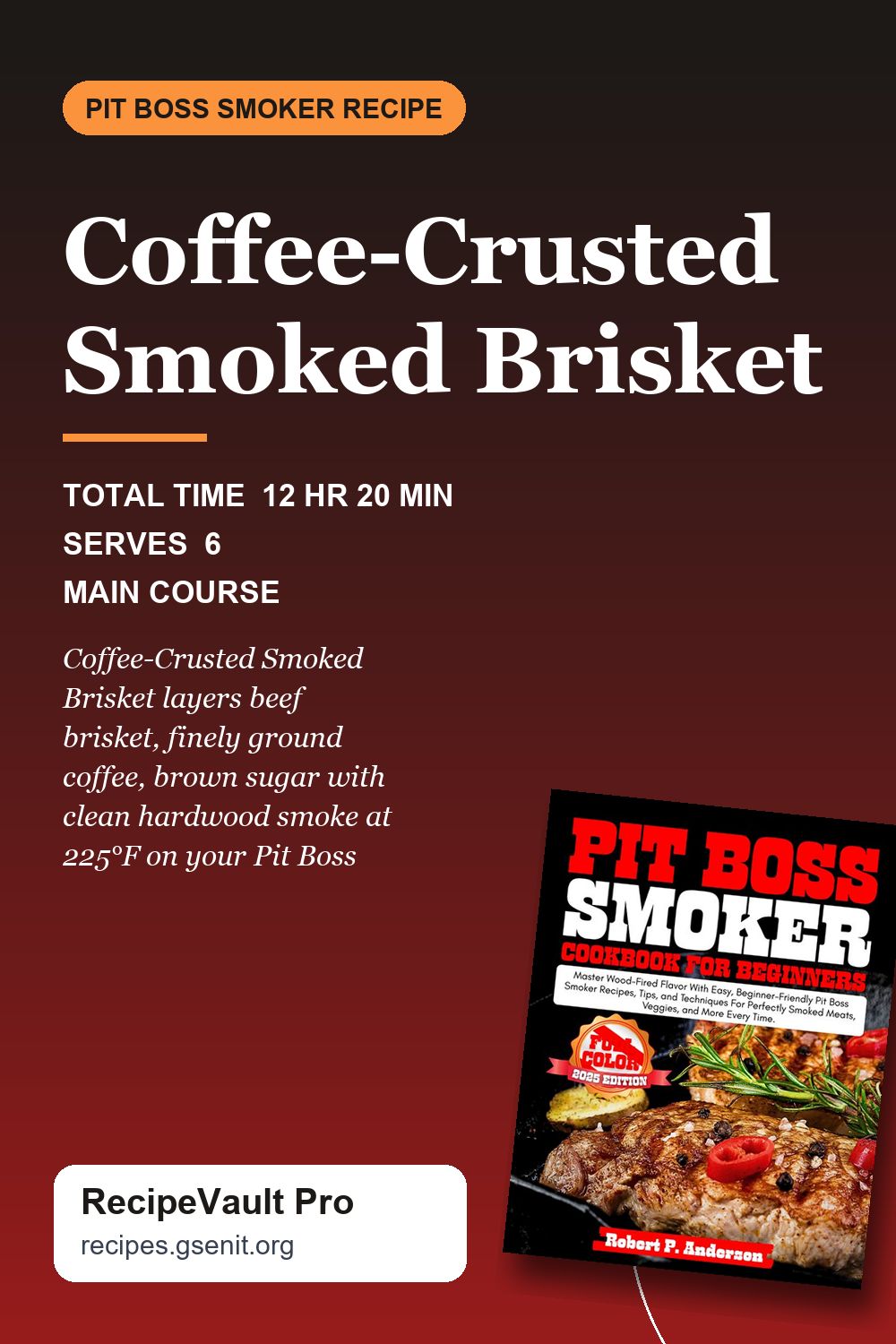
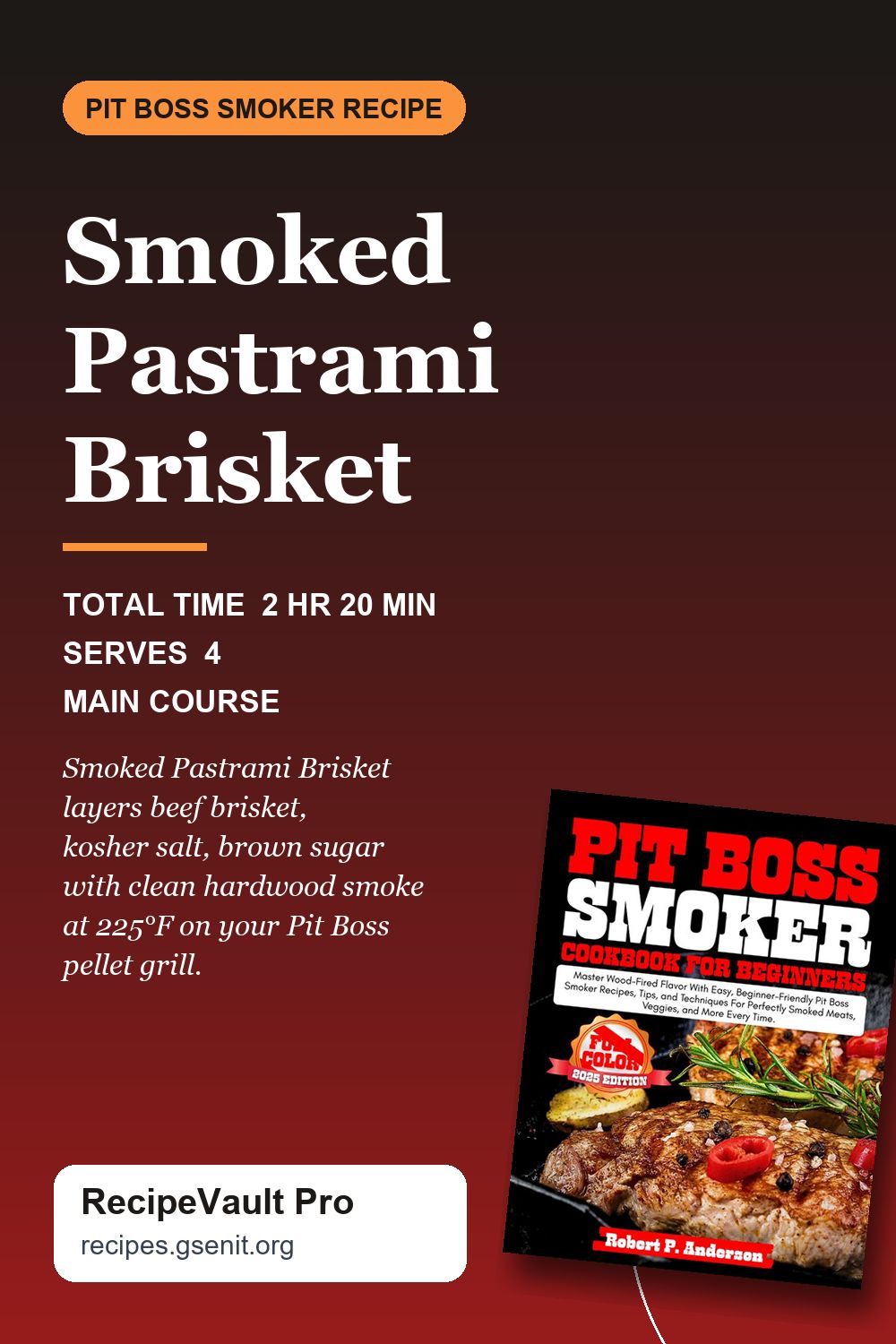
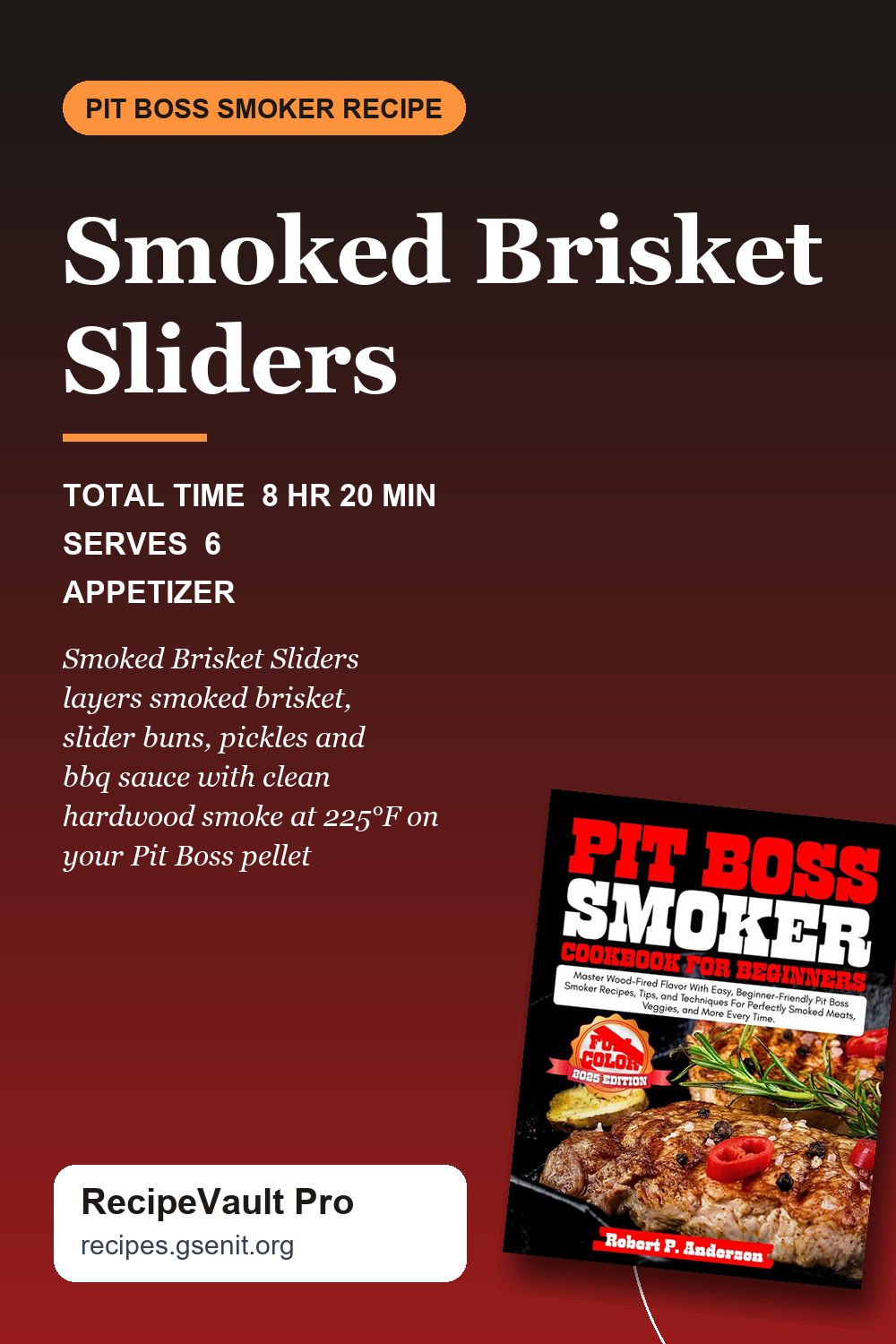
| Whole Packer Brisket (12–15 lb) | 225°F–250°F | 1–1.25 hrs / lb | 200°F–203°F (probe tender) | Oak, Hickory, Pecan |
| Small Brisket Flat (3–6 lb) | 225°F | 1.25–1.5 hrs / lb (5–8 hrs) | 200°F–203°F (wrapped at 165°F) | Oak, Hickory, Cherry |
| Pork Butt / Shoulder (8–10 lb) | 225°F–250°F | 1.5 hrs / lb | 198°F–203°F (shreddable) | Hickory, Apple, Competition |
| Baby Back Ribs (1 rack) | 225°F | 4.5–5 hours (3-2-1 or 2-2-1) | 195°F–202°F (bend test) | Apple, Cherry, Pecan |
| St. Louis Spare Ribs | 225°F–250°F | 5–6 hours (3-2-1 method) | 198°F–203°F | Hickory, Cherry |
| Whole Thanksgiving Turkey (12–14 lb) | 250°F–300°F | 3–3.5 hours (15 min / lb) | 165°F in thickest breast | Apple, Maple, Pecan |
| Chicken Wings | 250°F then 375°F | 60–75 mins total | 175°F–185°F | Hickory, Cherry |
| Salmon Fillet | 180°F–225°F | 60–90 mins | 135°F–145°F | Alder, Apple, Maple |
| Beef Tri-Tip Roast | 225°F + 450°F sear | 60–90 mins | 130°F–135°F (medium-rare) | Red Oak, Hickory |
How to Beat the 160°F BBQ Stall
Large cuts like brisket and pork butt often plateau around 155°F–165°F internal temperature for hours as surface moisture evaporates and cools the meat—just like sweat cooling skin.
Once your bark is set and dark mahogany (usually around 165°F–170°F), wrap the meat tightly in pink butcher paper (for firmer bark) or heavy-duty aluminum foil with a splash of apple cider vinegar or beef broth, then return it to the Pit Boss at 250°F until probe tender.
- •Pink butcher paper lets steam escape slowly so your brisket bark stays crisp.
- •Aluminum foil speeds through the stall fastest and retains maximum braising liquid for pulled pork.
- •Always rest brisket and pork shoulder in an insulated cooler (wrapped in towels) for 1 to 2 hours before slicing.
Tested gear to achieve the exact temperatures, tender doneness, and results in this guide:
As an Amazon Associate we earn from qualifying purchases at no extra cost to you.
Frequently Asked Questions
What temperature should I set the Pit Boss pellet smoker on the smoke setting?
On most Pit Boss models, turning the dial to 'Smoke' (or 'S') runs the grill between 180°F and 200°F at the factory P-4 pause setting, maximizing hardwood smoke output during the first 1 to 2 hours of a cook.
Should I smoke at 180 or 225?
Start at 180°F (or 'Smoke' mode) for the first 60–90 minutes when cold meat absorbs the most smoke flavor, then raise the Pit Boss temperature to 225°F–250°F to render fat properly and finish cooking safely on schedule.
How long should it take my smoker to get to 250?
With clean dry pellets and the lid closed after initial startup, a Pit Boss pellet grill typically reaches and stabilizes at 250°F within 10 to 15 minutes.
How do I get my Pit Boss smoker to smoke more?
Use 100% hardwood pellets (hickory, oak, or mesquite), start meat cold at 180°F–200°F for the first hour, keep a water pan on the grate so moist surfaces attract more smoke particles, or add a $15 stainless-steel pellet smoke tube for billowing smoke at any temperature.
Recipe by Robert P. Anderson
Adapted from Pit Boss Smoker Cookbook for Beginners and edited for American kitchens by the RecipeVault Pro editorial team — US & metric measurements, USDA-safe doneness temperatures, and practical tips. Our editorial policy