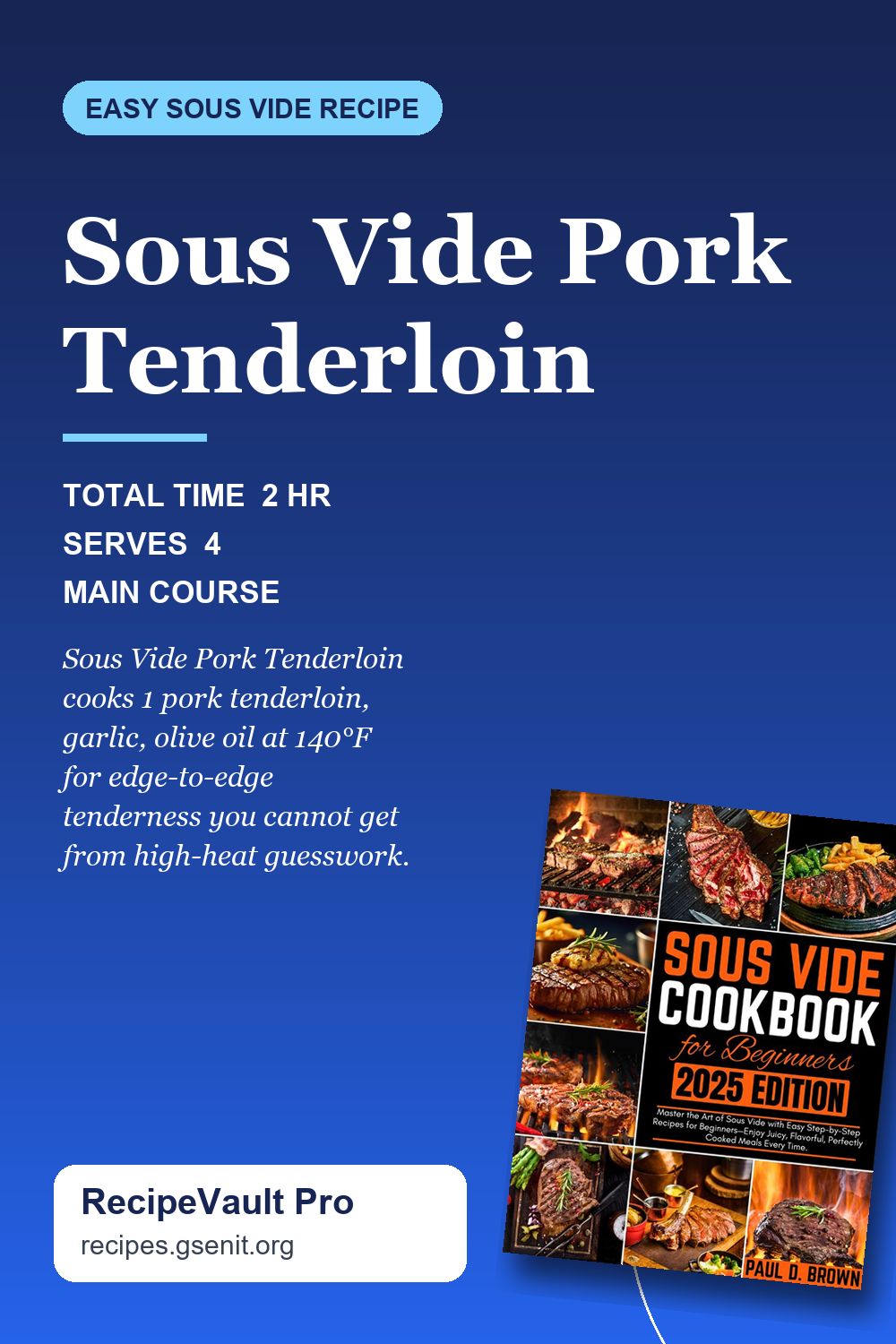
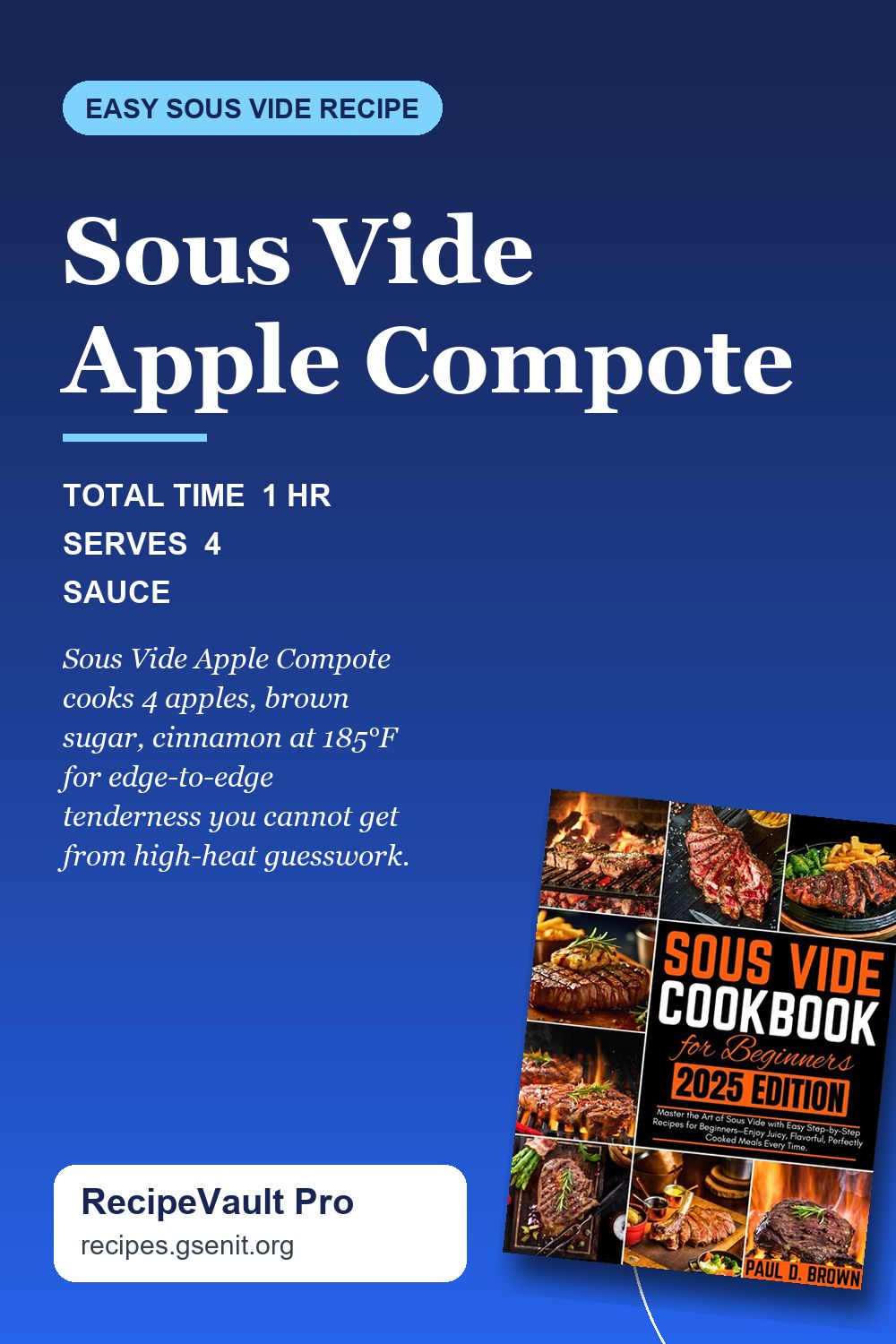
Sous Vide Pork Tenderloin at 140°F with Spiced October Apple Cider Pan Reduction
Never serve dry, chalky pork again. Cook pork tenderloin sous vide at 140°F for 2 hours and finish with a 5-minute spiced October apple cider and Dijon pan reduction.
Why 140°F Is the Culinary Sweet Spot for Lean Pork Tenderloin
For decades, home cooks over-roasted lean pork tenderloin to 160°F–165°F out of outdated fears, turning one of the most delicate cuts in the butcher case into dry, sawdust-like medallions. Even after the USDA lowered its instant pork recommendation to 145°F, a hot 400°F oven still overshoots the thin tail end by 15 degrees.
In a precision sous vide bath set to 140°F (60°C) for 90 to 120 minutes, the entire cylinder of pork tenderloin reaches full thermal pasteurization while retaining 30% more intracellular moisture than oven-roasted pork—resulting in a blush-pink, fork-tender medallion.
| Water Bath Temp (°F) | Cook Time (1.25–1.5 lb Loin) | Color & Texture Profile | Moisture Loss | Best Flavor Pairing |
|---|---|---|---|---|
| 135°F (57.2°C) | 2 to 3 hours | Medium-Rare rose pink; ultra-juicy, steak-like | 6% | Herb-butter baste & flaky sea salt |
| 140°F (60.0°C) ★ Recommended | 1.5 to 2.5 hours | Hint of blush pink; silky, tender & juicy | 8% | Spiced October apple cider & Dijon glaze |
| 145°F (62.8°C) | 1.5 to 2.5 hours | Opaque ivory-white; classic tender pork bite | 12% | Creamy mushroom & Marsala pan sauce |
| 150°F (65.5°C) | 1 to 2 hours | Traditional firm white; noticeably drier | 17% | Thick barbecue sauce or gravy |
- •Trim the Silver Skin First: Slide a thin boning knife just underneath the pearly white connective membrane ('silver skin') at the thick end of the tenderloin and strip it off—unlike collagen, elastin silver skin never melts.
- •Tie the Thin Tail Under: Fold the thin 2-inch tail end of the tenderloin underneath itself and tie with one piece of kitchen twine so the entire roast has an even 2-inch diameter.
- •60-Second Cast-Iron Sear: Because the pork is already 100% cooked at 140°F, sear in smoking-hot avocado oil for just 45 to 60 seconds per side.
5-Minute Spiced October Apple Cider Pan Reduction
The moment you lift the seared pork tenderloin onto a warm cutting board, lower the burner to medium and pour 3/4 cup fresh unfiltered apple cider, the reserved sous vide bag juices, 1 tablespoon whole-grain Dijon mustard, 1 teaspoon apple cider vinegar, and a pinch of cinnamon and thyme directly into the hot skillet.
Simmer vigorously for 3 minutes until reduced by half, turn off the heat, and swirl in 1 tablespoon of cold unsalted butter for a glossy tavern glaze.
- •Slice Into 1-Inch Medallions: Thick 1-inch medallions hold heat on the plate and showcase the juicy blush center.
- •Serve With Air-Fried Squash: Pair with roasted delicata squash or garlic mashed cauliflower for a complete autumn plate.
Tested tools and hardware to achieve the exact temperatures, sear, and results in this guide:
As an Amazon Associate we earn from qualifying purchases at no extra cost to you.
Frequently Asked Questions
Is sous vide pork safe to eat when it is slightly pink at 140°F?
Yes! Holding pork at 140°F once the core reaches temperature for just 12 minutes achieves complete pasteurization against Trichinella and Salmonella—and a 2-hour bath exceeds that safety margin by 5x.
Can I cook two pork tenderloins in the same vacuum bag?
Yes, as long as you lay them side-by-side flat rather than pressing them together into a thick double cylinder (which would double the time needed for heat to reach the center).
How long can pork tenderloin stay in the 140°F bath before getting mushy?
Keep total cook time between 1.5 and 3.5 hours; beyond 4 hours, lean pork tenderloin has very little collagen and its muscle fibers can become overly soft or mealy.
Can I sous vide pre-marinated supermarket pork tenderloins in their factory packaging?
Always remove pork from store packaging and re-seal in a certified BPA-free food-grade vacuum bag, as store glue seams and absorbent meat pads are not rated for heated water baths.
Recipe by Paul D. Brown
Adapted from Sous Vide Cookbook for Beginners and edited for American kitchens by the RecipeVault Pro editorial team — US & metric measurements, USDA-safe doneness temperatures, and practical tips. Our editorial policy