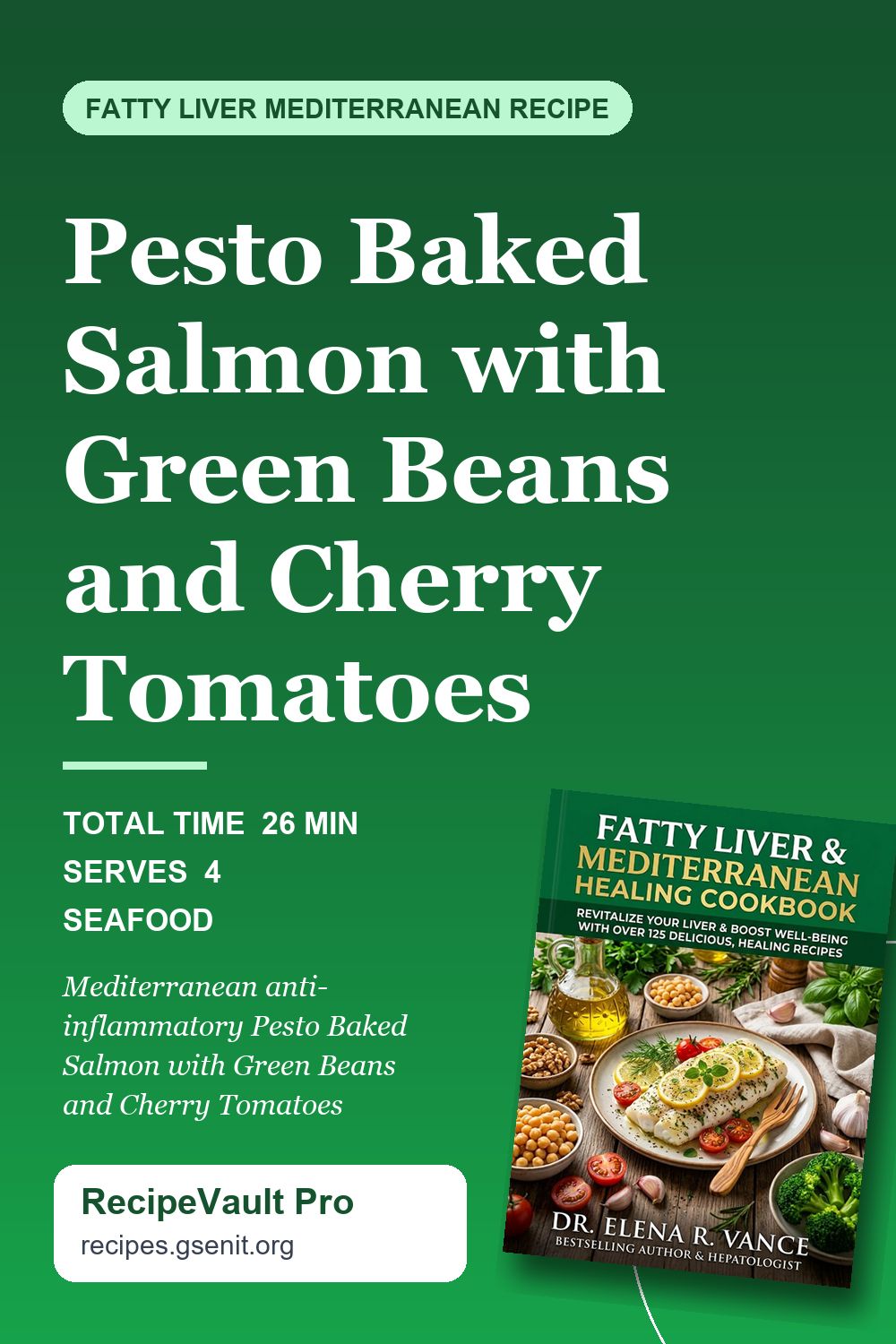
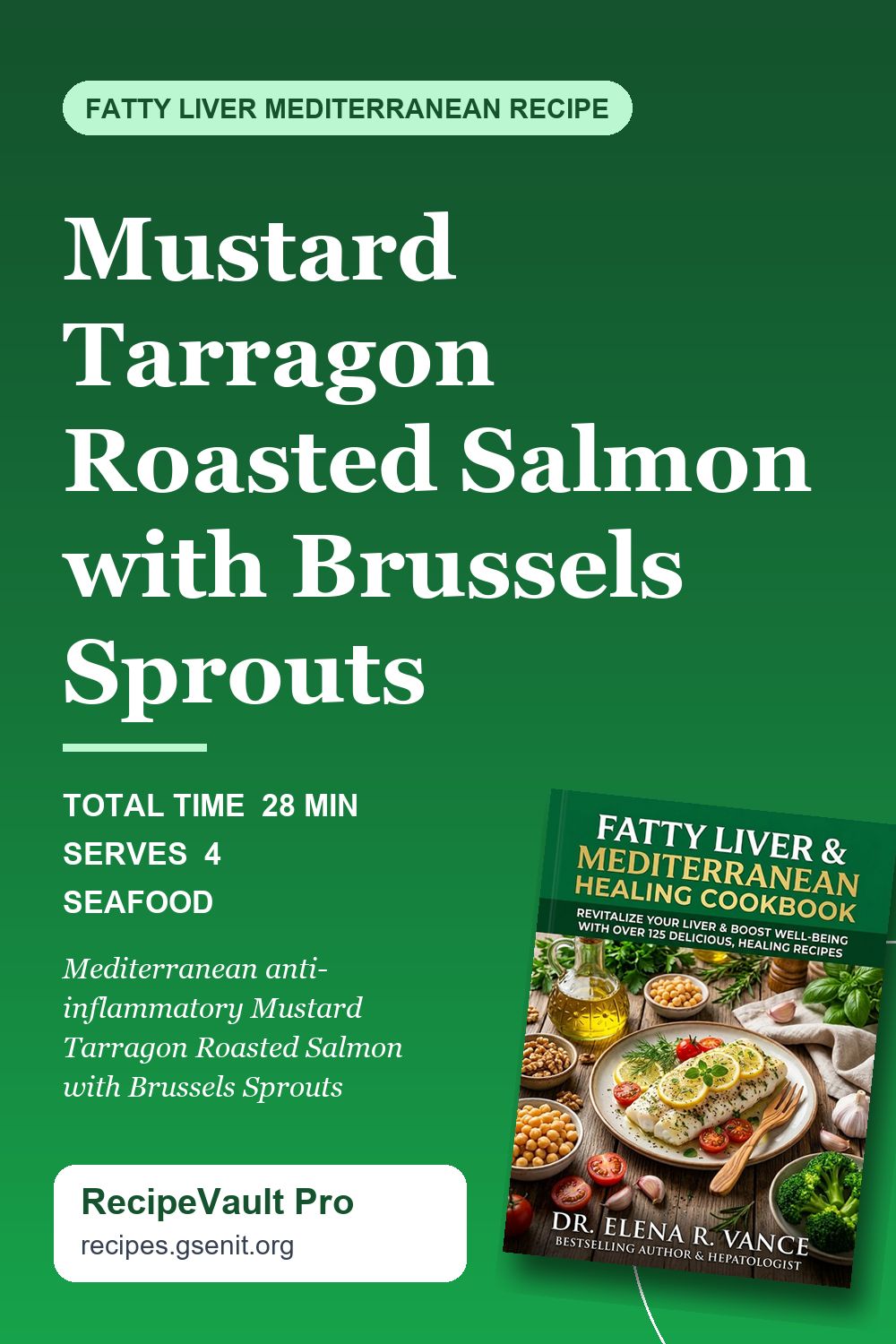
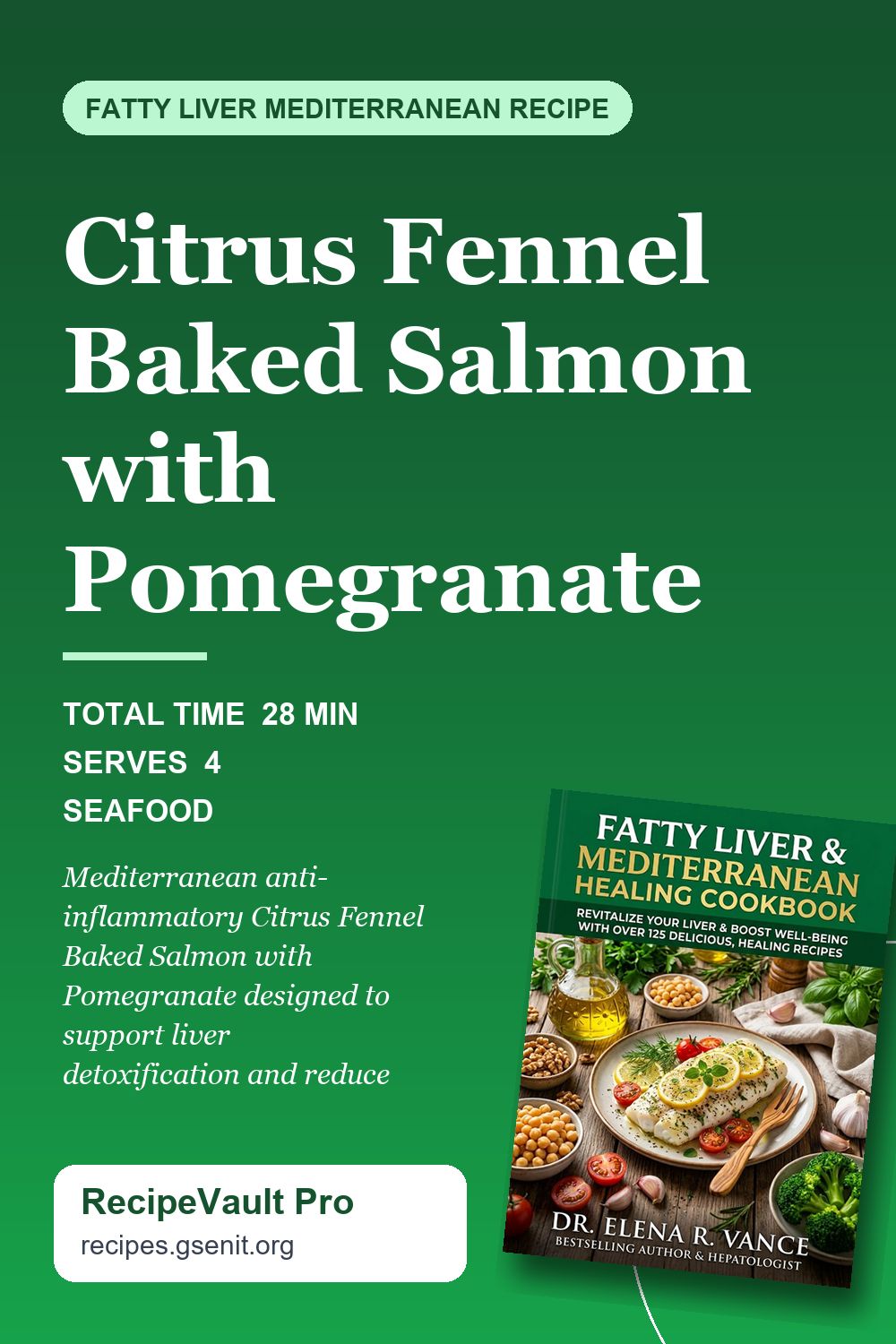
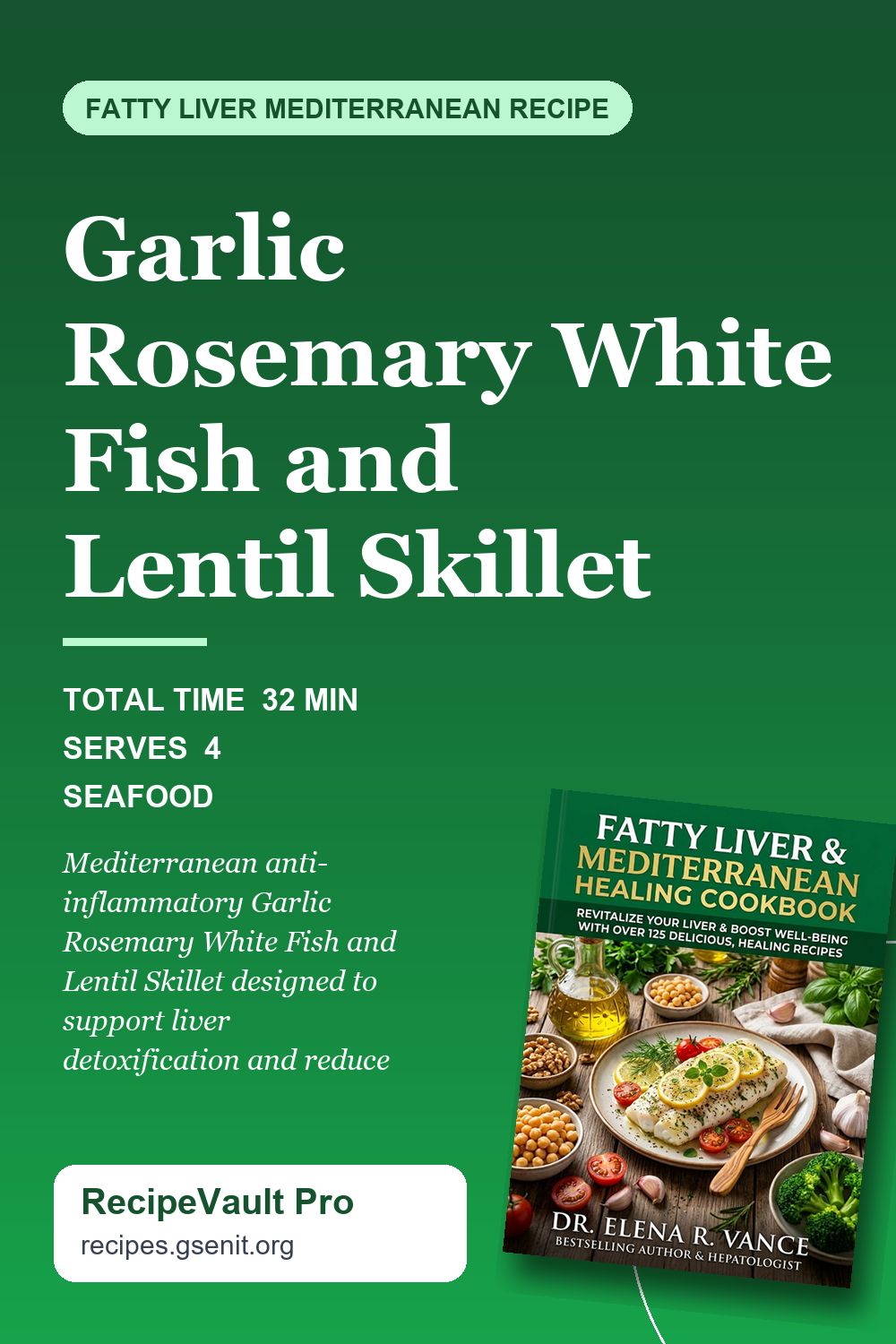
World Food Day 2026: 15 Sustainable Mediterranean Whole Foods That Protect Liver & Metabolic Health
Discover the 15 most sustainable, nutrient-dense Mediterranean pantry staples for World Food Day 2026 that clinically reduce hepatic steatosis (MASLD/NAFLD) and inflammation.
Connecting Sustainable Whole Foods to Liver Regeneration
Ultra-processed foods rich in refined high-fructose corn syrup, industrial seed oils, and bleached flours carry a heavy environmental footprint while directly fueling Metabolic Dysfunction-Associated Steatotic Liver Disease (MASLD, formerly NAFLD). Shifting toward minimally processed Mediterranean whole foods benefits both planetary sustainability and human hepatocyte health.
Clinical hepatology trials consistently rank the green-Mediterranean dietary pattern—anchored by extra-virgin olive oil (EVOO), legumes, wild small pelagic fish, walnuts, and bitter autumn greens—as the #1 nutritional intervention for reducing intrahepatic triglyceride accumulation by 30% to 45% over 12 weeks.
| Food Category | Top October Whole Foods | Key Bioactive Compound | Primary Liver & Metabolic Benefit | Weekly Target |
|---|---|---|---|---|
| Monounsaturated Fats | Cold-Pressed Extra-Virgin Olive Oil, Avocados | Oleocanthal & Hydroxytyrosol | Lowers hepatic de novo lipogenesis & oxidative stress | 2–3 tbsp daily |
| Plant Legumes & Pulses | Green Lentils, Chickpeas, Cannellini Beans | Soluble Fiber & Resistant Starch | Feeds gut microbiome & blunts post-meal insulin spikes | 4–5 cups/week |
| Omega-3 Marine Proteins | Wild Salmon, Sardines, Mackerel | EPA & DHA Long-Chain Omega-3s | Activates PPAR-alpha to accelerate liver fat oxidation | 3 servings (4–5 oz)/week |
| Cruciferous Fall Greens | Brussels Sprouts, Lacinato Kale, Broccoli | Sulforaphane & Indole-3-Carbinol | Boosts Phase II liver detoxification enzymes (glutathione) | 1.5–2 cups daily |
| Polyphenol Nuts & Seeds | Raw Walnuts, Chia Seeds, Flaxseeds | Alpha-Linolenic Acid & Ellagitannins | Improves ALT/AST liver enzymes and endothelial health | 1 oz (1/4 cup) daily |
- •Prioritize Pulses Over Refined Grains: Lentils and chickpeas fix nitrogen in soil naturally and provide 15g+ of slow-digesting fiber per cooked cup.
- •Choose Small Wild Fish: Sardines and wild Alaskan salmon deliver maximum EPA/DHA per ounce with minimal mercury bioaccumulation.
- •Shop Seasonal October Produce: Autumn pomegranates, cranberries, and dark leafy greens peak in polyphenol density during mid-October.
Building a 100% Whole-Food October Pantry Plate
To structure every lunch and dinner for optimal liver recovery, divide your 10-inch plate using the 50/25/25 Mediterranean rule: fill 50% with non-starchy roasted or raw vegetables, 25% with lean marine or plant protein, and 25% with intact whole grains or legumes dressed in 1 tablespoon of high-polyphenol extra-virgin olive oil.
Avoid liquid sugars completely—including bottled '100% natural' fruit juices and sweetened autumn coffee syrups—as liquid fructose bypasses normal satiety signaling and converts directly into liver fat in the portal vein.
- •Morning Ritual: Drink 1–2 cups of unsweetened black coffee or matcha green tea; chlorogenic acid and EGCG are clinically linked to lower liver fibrosis scores.
- •Herb & Spice Swap: Replace high-sodium seasoning packets with turmeric, black pepper, smoked paprika, rosemary, and garlic to lower systemic inflammation.
Tested tools and hardware to achieve the exact temperatures, sear, and results in this guide:
As an Amazon Associate we earn from qualifying purchases at no extra cost to you.
Frequently Asked Questions
Why is the Mediterranean diet recommended for fatty liver on World Food Day?
Both the American Association for the Study of Liver Diseases (AASLD) and the FAO recognize the Mediterranean diet for combining sustainable plant-forward agriculture with proven reductions in liver fat and insulin resistance.
Are canned beans and lentils healthy for a fatty liver diet?
Yes! Choose low-sodium or no-salt-added BPA-free canned beans and rinse them under cold running water for 30 seconds, which removes over 40% of surface sodium while preserving all soluble fiber.
How much extra-virgin olive oil should I consume daily for liver health?
Studies show 2 tablespoons (30 ml) per day of cold-pressed extra-virgin olive oil—used raw over salads or for gentle sautéing below 375°F—improves liver enzyme profiles when replacing butter or seed oils.
Can I eat fruit in October if I have fatty liver disease?
Whole low-glycemic fruits rich in fiber and polyphenols—such as berries, tart Honeycrisp apples, pears, and pomegranate arils (1–2 servings daily)—are beneficial when eaten whole rather than juiced.
Recipe by Dr. Elena R. Vance
Adapted from Fatty Liver & Mediterranean Healing Cookbook and edited for American kitchens by the RecipeVault Pro editorial team — US & metric measurements, USDA-safe doneness temperatures, and practical tips. Our editorial policy